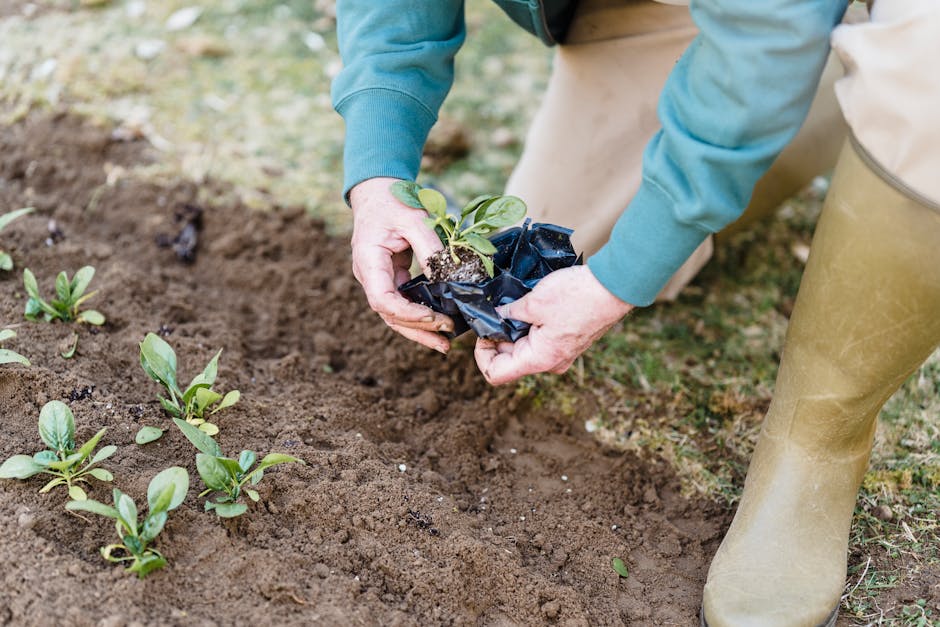
Belmont Village gardeners planting guide SM2
If you are looking for a Belmont Village gardeners planting guide SM2, chances are you want something more useful than a generic planting calendar. You want to know what actually works in a real garden, in local soil, through wet springs, warm spells, and the odd week when everything seems to pause. That is fair enough. Planting well is rarely about luck. It is about timing, plant choice, spacing, aftercare, and a bit of patience.
This guide is written for homeowners, landlords, and anyone trying to keep a Belmont Village garden looking healthy without turning every weekend into a rescue mission. You will find practical planting advice, seasonal priorities, common mistakes, and a clear step-by-step approach you can follow with confidence. We will also cover when professional help makes sense, how to compare options, and what good practice looks like in a UK garden setting. Nothing fancy. Just useful, grounded guidance.
For readers who want support beyond the guide itself, it can also help to look at the wider gardening services overview and the company's about us page to understand how planting, maintenance, and ongoing care fit together.
Table of Contents
- Why Belmont Village gardeners planting guide SM2 Matters
- How Belmont Village gardeners planting guide SM2 Works
- Key Benefits and Practical Advantages
- Who This Is For and When It Makes Sense
- Step-by-Step Guidance
- Expert Tips for Better Results
- Common Mistakes to Avoid
- Tools, Resources and Recommendations
- Law, Compliance, Standards, or Best Practice
- Options, Methods, or Comparison Table
- Case Study or Real-World Example
- Practical Checklist
- Conclusion
- Frequently Asked Questions
Why Belmont Village gardeners planting guide SM2 Matters
Planting is the part of gardening that looks simple from the outside and then quietly proves otherwise. A tray of bedding plants in late spring can transform a frontage in a day, yes, but only if the timing, soil preparation, and aftercare are right. In Belmont Village, that matters because many gardens need to balance style with practicality: compact front gardens, shaded back plots, boundary beds, containers, and lawns that all compete for attention.
A good planting guide matters because it helps you avoid the costly sort of mistake that happens slowly. For example, a shrub planted too close to a wall may look fine for six months and then suddenly outgrow the space, block light, or struggle with dry soil. A border packed with the wrong mix of plants can become leggy, patchy, and oddly bare by midsummer. Truth be told, most garden problems begin months earlier, at planting stage.
There is also the local angle. Belmont Village gardens often experience the kind of conditions that make plant selection more important than people expect: shade from fences or neighbouring trees, heavier soil in some plots, dry pockets near paving, and sudden changes in moisture after rain. A planting guide helps you plan around those realities rather than fight them.
Expert summary: the best planting results usually come from matching the plant to the space first, then improving the soil, then maintaining consistently. Do those three things well and the garden usually behaves itself. Usually.
It also helps to have a trusted service team in mind if you want planting, seasonal tidy-ups, or a bigger garden plan handled properly. If you are comparing providers, the pricing and quotes page is a sensible place to understand how quotes are approached, while the contact us page gives you a direct next step.
How Belmont Village gardeners planting guide SM2 Works
At its core, a planting guide works by turning a messy set of choices into a sequence. You start with the space, then the soil, then the season, then the plant type, and finally the care routine. That order matters. A lot. If you choose the plant before understanding the space, you are guessing. If you skip soil preparation, you are gambling on luck and compost.
In practical terms, the guide helps you decide:
- what can be planted now and what should wait
- which plants suit sun, partial shade, or heavy shade
- how much watering will be needed in the first few weeks
- how to space plants so they do not crowd each other later
- whether to plant directly into borders, raised beds, or containers
- how to protect new planting from wind, frost, pets, and accidental trampling
There is no magic formula, but there is a method. And once you have the method, the garden becomes far less intimidating. That is especially helpful if you are maintaining a property around work, children, travel, or all three. Nobody needs another unpredictable weekend task.
Planting also works differently depending on the type of plant. Annual bedding plants want quick establishment and regular feeding. Perennials need a bit more space and patience. Shrubs and climbers need structural thinking. Herbs and edibles need sun and decent drainage more often than not. The good news is that once you understand the categories, decisions get easier.
Key Benefits and Practical Advantages
The biggest advantage of following a proper planting guide is simple: better long-term results with less rework. That is the kind of gardening that saves time, money, and the mild frustration of looking at the same failing border every Sunday morning.
Here are the main benefits:
- Healthier establishment: plants settle faster when planting depth, spacing, and watering are correct.
- Better seasonal impact: you get colour and structure when you want it, not six weeks later after the window has passed.
- Lower replacement costs: fewer losses mean fewer repeat purchases and less wasted effort.
- More resilient planting schemes: the right mix of species gives you better year-round performance.
- Improved kerb appeal: a well-planned garden looks cared for, even when it is not heavily maintained.
- Less maintenance stress: a good design usually needs less rescue work later on.
There is another benefit people often miss: a planting guide helps you think in layers. You stop focusing only on flowers and start considering structure, foliage texture, height, seasonal change, and how the garden looks in January, not just July. That shift is where a decent garden starts to feel like a proper outdoor space rather than a collection of surviving plants.
If you care about sustainability as well as appearance, it is worth reading the company's recycling and sustainability information too. Planting can be planned with waste reduction, compost use, and smarter material choices in mind, and it makes sense to think that way from the start.
Who This Is For and When It Makes Sense
This guide is useful for a wide range of readers, not just avid gardeners. In fact, some of the people who benefit most are the ones who do not have time to experiment endlessly.
You will probably find it especially useful if you are:
- a homeowner wanting a more attractive front or back garden
- a landlord trying to keep a property presentable between tenancies
- a busy family needing low-maintenance planting rather than high-maintenance colour
- a new resident getting to know the local light, soil, and seasonal rhythm
- someone planning a complete refresh after a poor growing season
- a person who prefers to outsource planting to experienced local gardeners
It also makes sense if your garden currently feels a bit "nearly there" but not quite right. You know the kind of space: a bed with a few tired shrubs, one or two plants that are clearly in the wrong place, and a container arrangement that looked better in May than it does now. A little planning changes that more than people expect.
When professional support is needed, the choice often comes down to time, confidence, and scale. If it is a small seasonal refresh, you may only need advice or a one-off visit. If it is a full replanting project, it is usually better to get a clear plan before buying anything. And if you want to understand the service scope before committing, the services overview is the practical place to start.
Step-by-Step Guidance
Below is a straightforward planting process that works well for most Belmont Village gardens. It is not dramatic. It is just the sort of method that keeps mistakes down and results up.
1. Assess the site properly
Start with what the garden actually gives you. Watch where the sun falls through the day. Check whether the soil drains quickly or stays damp after rain. Notice sheltered corners, windy gaps, and any places where roots or paving have already changed the conditions. A five-minute guess is rarely enough, to be honest.
2. Decide on the goal of the planting
Are you after year-round structure, summer colour, privacy, pollinator-friendly planting, or easy maintenance? The answer changes everything. A planting plan for a tidy front garden is not the same as a relaxed back border built for long flowering and soft texture.
3. Choose the right plant types
Think in categories: bedding, perennials, shrubs, climbers, bulbs, herbs, and container plants. For example, low sunny borders often do well with drought-tolerant perennials, while a shady wall may suit ferns, hellebores, or evergreen structure. Don't force a plant into a space just because it looked good in a tray.
4. Prepare the soil
Clear weeds, remove debris, and improve the soil with suitable organic matter where needed. Soil preparation is not glamorous. It is the unglamorous bit that makes the glamorous bit work. If drainage is poor, raised planting or more structural improvement may be needed.
5. Space plants with future growth in mind
New plants can look lonely at first, so there is a temptation to squeeze them in. Resist that. Crowded planting often leads to disease, airflow issues, and competition for water. Leave room for mature spread, not just the current size.
6. Plant at the correct depth
As a general rule, most plants should sit at the depth they were growing in the pot, not deeper. Bare-root material and bulbs have their own planting rules. If you are unsure, it is better to err on the side of caution than bury the crown too deeply.
7. Water thoroughly and consistently
New planting needs regular watering until roots establish. The aim is steady moisture, not soaking one day and forgetting the next. A deep water a few times a week is often better than a quick splash every evening.
8. Mulch and monitor
Mulch helps retain moisture and suppress weeds. After planting, check regularly for drooping, windrock, slug damage, and any signs that plants are not settling. Early correction is much easier than trying to save a struggling border later in the season.
Expert Tips for Better Results
Small details make a big difference. That is the honest truth of planting. A few experienced habits can turn an average result into something that looks considered and lasts longer.
- Work with the site, not against it. A shady spot should not be treated like a sun trap. Pick plants that enjoy the conditions already there.
- Use repetition carefully. Repeating a few key plants across a bed often looks more polished than using too many different varieties.
- Mix evergreen and seasonal planting. Evergreens keep the structure going when flowers fade.
- Think about frontage and first impressions. The area visible from the street often benefits from cleaner lines and reliable planting.
- Plant in groups where possible. Small clusters usually have more visual impact than single scattered plants.
- Watch for microclimates. The space beside a warm wall behaves differently from an open border exposed to cold wind.
- Make watering easy. If reaching a border is awkward, maintenance will slip. It happens all the time.
One useful little trick: stand back after planting and look at the garden from the angle a visitor would see first, not just from above. A bed can look beautifully arranged from your kitchen window and oddly flat from the path. That happens more than you would think.
And if you are aiming for long-term care rather than one-off planting, it is sensible to understand the practical side of service standards too. The team's health and safety policy and insurance and safety information are useful trust-building pages when you want reassurance around how work is handled.
Common Mistakes to Avoid
Most planting mistakes are not dramatic. They are small, repeated, and easy to miss until the garden starts looking tired. The good news? They are also avoidable.
- Choosing plants for appearance alone: a plant that looks lovely in the shop may be wrong for your shade, soil, or exposure.
- Overcrowding the border: too many plants creates competition and poor airflow.
- Ignoring mature size: many problems begin when people only think about the first six weeks.
- Planting too shallow or too deep: both can cause stress and poor establishment.
- Underwatering after planting: the first few weeks matter far more than people assume.
- Skipping soil improvement: poor soil will usually stay poor unless you do something about it.
- Forgetting maintenance needs: some plants need deadheading, cutting back, staking, or feeding. Nature, annoying as it is, does not always tidy up for you.
Another mistake is trying to do everything at once in a single burst of energy. A half-finished border can look messy for a while, which makes people rush the rest. Better to plant in sections and complete each area properly than to spread yourself too thin and lose momentum halfway through.
Tools, Resources and Recommendations
You do not need a huge toolkit to plant well, but the right basics make life much easier.
Useful tools
- spade or trowel for digging and positioning
- fork for loosening compacted soil
- watering can or hose with gentle flow
- gloves that actually fit properly
- secateurs for trimming and tidying
- mulch or compost, depending on the soil and planting scheme
- labels or a simple notebook if you are testing different varieties
Helpful planning resources
For many property owners, the simplest approach is to combine a planting plan with a maintenance plan. That way, you know not only what goes in, but who is going to keep it looking right. If you are weighing up whether to do it yourself or bring in help, the pricing and quotes page can give you a clearer sense of the process.
It is also worth checking practical pages such as payment and security if you are arranging work online, especially when you want a clear and secure setup before making any commitments. Small detail, yes, but reassuring.
Recommended approach for mixed gardens
If your garden has a mix of sun and shade, aim for a layered plan instead of trying to plant everything at once. Use structural plants first, then fill with seasonal colour, then add containers if needed. That gives you flexibility. It also means one failed area does not spoil the entire space.
Law, Compliance, Standards, or Best Practice
For most home planting projects, the main concern is not formal regulation but sensible best practice. That said, there are still important responsibilities if work is being carried out by a contractor or if the planting project involves access issues, waste removal, or shared areas.
In the UK, good practice usually means:
- working safely around paths, driveways, steps, and entrances
- managing waste responsibly
- using suitable protective equipment where needed
- being clear about what is included in the job
- keeping communication straightforward if the site has access limitations
If you are hiring help, it is sensible to review the provider's safety and working standards. That is where pages like health and safety policy, insurance and safety, and terms and conditions become useful. They do not plant anything for you, obviously, but they do help set expectations properly.
For customers who care about environmental responsibility, recycling and sustainability is also worth a look. In a planting project, that can influence how green waste is handled, how materials are reused, and how the overall approach affects the garden long term.
If you ever have concerns about service quality or the way a project is handled, a clear complaints procedure is another sign that a business takes accountability seriously. That may sound dry, but in real life it matters.
Options, Methods, or Comparison Table
Different planting methods suit different goals. If you are trying to decide between a few approaches, the table below gives a practical comparison.
| Method | Best for | Strengths | Watch-outs |
|---|---|---|---|
| Bedding plants | Fast colour and seasonal impact | Immediate results, easy to refresh | Needs regular replacement and watering |
| Perennial planting | Longer-term borders | Returns each year, more structure | Takes planning and patience |
| Shrubs and climbers | Privacy, framework, and year-round form | Strong visual presence, useful in smaller gardens | Can outgrow space if poorly chosen |
| Container planting | Small spaces and entrance areas | Flexible, easy to reposition | Requires more frequent watering and feeding |
| Mixed borders | Balanced, natural-looking gardens | Seasonal interest and layered texture | Needs more design skill at the start |
If you are unsure which option fits, start with the purpose of the space. A front garden that needs to look sharp all year may benefit from shrubs and structural planting. A sunny patio corner may be better with containers and herbs. A border that feels bare for six months of the year will often need a rethink rather than a quick plant top-up.
Case Study or Real-World Example
Here is a simple real-world scenario. A Belmont Village property had a narrow front border that had become patchy after a few seasons. The soil was dry near the paving, heavier toward the fence, and a couple of plants had simply been put in where space happened to be available. Familiar story, really.
The first step was not buying more plants. It was stepping back and asking what the border needed to do. The answer was clear: look tidy from the pavement, handle partial shade, and stay manageable through the year. The planting plan used a small number of repeating plants for structure, added a few seasonal colour points, and improved the soil before anything went in. The owner also agreed to a basic watering routine for the first few weeks. Nothing heroic.
By the end of the season, the border looked more settled, less cluttered, and much easier to maintain. No miracle, just better decisions. That is often how it goes in gardening. Not glamorous, but satisfying.
One of the best signs that a plan is working is when you stop worrying about it every day. The garden starts to hold itself together. That relief? Worth a lot.
Practical Checklist
Use this checklist before planting or booking a planting service.
- Have I checked sun, shade, and wind exposure?
- Do I know whether the soil drains well or stays wet?
- Have I chosen plants that match the site conditions?
- Have I planned for the mature size of each plant?
- Is there enough space for airflow and future growth?
- Have I prepared the soil properly?
- Do I know how often the planting will need watering?
- Have I thought about the look in winter as well as summer?
- Do I need help with maintenance after planting?
- Have I checked the service details, quotes, and policies if hiring a gardener?
If you answered "no" to two or more of those, do not panic. That is normal. It just means the planning stage deserves a bit more attention before you start digging.
For any next-step enquiries, the most direct route is to use the contact us page. If you are ready to compare options, you can also review the company's background and service details first, which is often the calmer way to do it.
Conclusion
A well-planned Belmont Village gardeners planting guide SM2 is not just about choosing attractive plants. It is about reading the garden properly, matching the right plants to the right places, and giving the whole scheme enough support to thrive. That is what turns a hopeful border into a reliable one.
If you take one thing from this guide, let it be this: plant for the conditions you actually have, not the conditions you wish you had. Do that, and half the battle is already won. The rest is steady care, sensible expectations, and a bit of patience through the messy middle.
Get a free quote today and see how much you can save.
And if you are still deciding, that is fine too. A good garden grows at its own pace, and sometimes the best results begin with a simple conversation.
Frequently Asked Questions
What does Belmont Village gardeners planting guide SM2 actually mean?
It refers to practical planting advice for gardens in Belmont Village, SM2, with a focus on what local gardeners need to plant successfully in real conditions rather than generic advice.
When is the best time to start planting in Belmont Village gardens?
That depends on the plant type. Bedding, perennials, shrubs, and bulbs all have different windows. In practice, spring and early autumn are often the busiest planting periods because temperatures are usually kinder to new roots.
Should I plant straight away or improve the soil first?
Improve the soil first if it is compacted, poor, or dry. A few minutes of preparation can save weeks of poor growth later. Planting into bad soil and hoping for the best is a bit of a gamble.
What are the easiest plants for a low-maintenance garden?
Low-maintenance gardens often use evergreen shrubs, hardy perennials, and a limited palette of repeat plants. The key is choosing species that suit the site rather than chasing novelty.
How do I know if my garden has enough sun for certain plants?
Watch the space through a full day if possible. Full sun, partial shade, and full shade can vary quite a lot between different parts of one garden. A patch by the fence may behave very differently from the centre of a bed.
Do containers count as proper planting?
Absolutely. Containers are often the smartest option for small spaces, patios, or front entrances. They do need more watering and feeding, though, so they are flexible rather than effortless.
How often should new plants be watered?
New planting usually needs regular watering until established, especially in dry spells. The exact frequency depends on weather, soil type, and the plant itself. Consistent moisture is the goal.
Is it worth hiring a gardener for planting work?
If the area is small and you are confident, you may manage it yourself. If the planting is larger, more technical, or part of an overall garden refresh, professional help can save time and reduce mistakes.
What should I look for in a planting quote?
Check what is included: labour, materials, plant sourcing, soil preparation, waste removal, and aftercare. Clear pricing is much better than vague promises. If in doubt, compare against the information on the pricing and quotes page.
How can I make planting look good all year?
Mix evergreen structure with seasonal interest. That way the garden has shape in winter and colour when the growing season is active. It is a simple formula, but it works well.
What if my garden has awkward shade or dry soil?
That is common, not a failure. The answer is to choose plants that suit the conditions and adjust the planting approach if needed. Shade and dry soil are manageable with the right species and preparation.
Where can I learn more about service standards and support?
You can review the company's services overview, health and safety policy, and insurance and safety information to understand how work is handled and what to expect.